
Practical Ways to Reduce Food Waste at Home
Reducing food waste at home is a smart and responsible way to save money, conserve resources, and support environmental sustainability. Every year, tons of food end up in the trash, even though much of it could have been eaten or repurposed. By making mindful choices and adopting a few simple habits, anyone can contribute to reducing food waste. In this post, we’ll explore practical strategies you can implement today to minimize waste in your kitchen and beyond.
Why Reducing Food Waste Matters
Food waste has significant impacts beyond just the cost of wasted groceries. When food is thrown away, all the water, energy, and labor used to produce, transport, and store that food also go to waste. Moreover, food waste in landfills generates methane, a potent greenhouse gas contributing to climate change. By reducing waste, households can play a direct role in conserving resources and reducing environmental footprints.
Smart Shopping: The First Step
One of the best ways to prevent food waste is to buy only what you need. Impulse buys and overstocking often lead to forgotten food that spoils before consumption.
Tips for Smart Shopping:
– Make a List: Plan your meals for the week and create a detailed shopping list. Stick to it to avoid buying unnecessary items.
– Check Your Pantry First: Review what you already have to avoid duplicates.
– Shop More Frequently in Small Amounts: Buying smaller quantities more often keeps ingredients fresher.
– Avoid Bulk for Perishable Items: Buying in bulk is only good if you can use it before it spoils.
Proper Food Storage to Extend Freshness
Storing food correctly can dramatically extend its shelf life and prevent premature spoilage.
Storage Guidelines:
– Use Clear Containers: Store leftovers and prepped items in see-through containers so you remember to use them.
– Keep Fruits and Vegetables Separate: Some fruits emit ethylene gas which accelerates ripening of vegetables.
– Wrap Herbs Like Flowers: Trim the stems and place in water, loosely covered with a plastic bag in the fridge.
– Label and Date: Write dates on leftovers and opened packages to track freshness.
– Store Bread in Cool, Dry Places: Avoid refrigeration for bread to maintain texture unless planning to freeze.
Meal Planning and Portion Control
Planning meals helps you buy exactly what you need and reduces the chances of leftovers going uneaten.
How to Plan Effectively:
– Batch Cook and Freeze Portions: Prepare meals in bulk and freeze individual servings to reduce daily prep and waste.
– Use Leftovers Creatively: Turn leftovers into soups, stir-fries, or sandwiches.
– Serve Smaller Portions: Start with moderate servings and go back for seconds if still hungry.
– Rotate Foods by Expiry: Use the oldest ingredients first to minimize spoilage.
Creative Use of Food Scraps
Many parts of fruits and vegetables can be repurposed instead of being tossed.
Ways to Repurpose Scraps:
– Make Vegetable Stock: Save peels, stems, and ends in the freezer for homemade broth.
– Use Citrus Peels: Add zest to recipes or dry them for natural air fresheners.
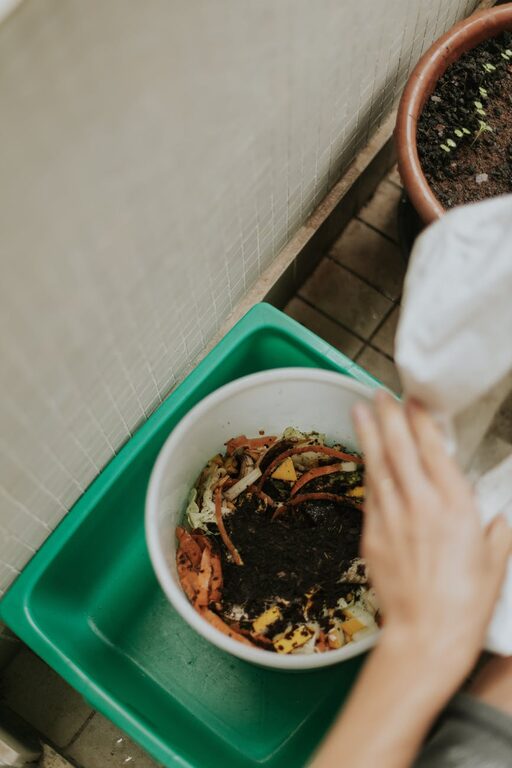
– Compost: Composting food scraps reduces landfill waste and creates nutrient-rich soil for gardens.
Regular Kitchen Audits and Deep Cleaning
Regularly cleaning out your fridge, freezer, and pantry ensures you keep track of what you have, preventing forgotten food.
Steps for a Kitchen Audit:
– Check Expiry Dates: Discard expired items or freeze before expiry if possible.
– Organize by Category: Group items logically so you can easily find and use them.
– Clean Shelves: Wipe down surfaces to avoid spills and cross-contamination.
– Share Excess: If you have food you can’t use in time, consider sharing with neighbors or donating to local food banks if allowed.
Educate and Involve Your Household
Waste reduction works best when everyone in the home is on board.
Ways to Encourage Cooperation:
– Discuss Goals Together: Make reducing waste a shared household priority.
– Teach Children: Involve kids in meal prep and explain the value of food.
– Create a Waste Log: Track what gets thrown away to identify areas for improvement.
Summary
Reducing food waste at home is achievable through intentional shopping, proper storage, meal planning, creative use of scraps, and regular kitchen upkeep. These small adjustments not only save money but contribute positively to the environment by reducing greenhouse gas emissions and conserving resources. Start with one or two changes and build from there—small steps lead to meaningful impact. Your efforts make a difference, one meal at a time.
