
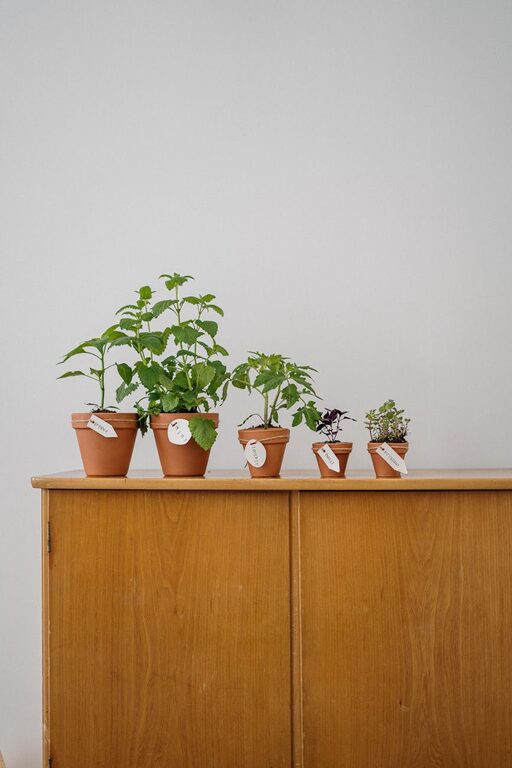
How to Start a Small Herb Garden Indoors: A Beginner’s Guide
Bringing fresh herbs into your kitchen with an indoor garden is a rewarding and enjoyable project. Whether you have a spacious home or a small apartment, starting a herb garden indoors allows you to enjoy fresh flavors for cooking all year long. This guide will walk you through everything you need to know, from choosing the right herbs to caring for them day by day.
Why Grow Herbs Indoors?
Growing herbs indoors offers many benefits:
– Convenience: Fresh herbs within arm’s reach for your culinary needs.
– Space-saving: Ideal for small homes without outdoor gardens.
– Year-round growth: No need to worry about seasonal changes.
– Air quality: Indoor plants can improve air and add a touch of greenery.
– Cost-effective: Save money by growing instead of buying fresh herbs frequently.
Now, let’s explore how to start your own indoor herb garden.
Choosing the Right Herbs for Indoor Gardening
Not all herbs thrive indoors equally. Some are better suited for indoor conditions because they can tolerate lower light and limited space.
Best Herbs for Indoor Gardens
– Basil: Loves bright light and warmth, great for Italian dishes.
– Mint: Hardy and easy to grow; can spread quickly, so pot it separately.
– Parsley: Prefers moderate light and consistent moisture.
– Thyme: Requires bright light and less water; drought-tolerant.
– Chives: Tolerant of different conditions and grows quickly.
– Cilantro: Prefers cooler temperatures and moderate light.
Pick herbs you use often to keep your garden practical and enjoyable.
What You’ll Need
Before planting, gather all necessary supplies to make your herb garden a success:
– Containers: Choose pots with drainage holes to avoid water buildup.
– Potting soil: Use a well-draining, nutrient-rich potting mix formulated for indoor plants.
– Herb seeds or seedlings: Starting with seedlings can speed up the process.
– Light source: A sunny windowsill is ideal. If natural light is insufficient, consider grow lights.
– Watering can or spray bottle.
– Labels (optional): To keep track of different herbs.
Step-by-Step Guide to Planting Your Indoor Herb Garden
1. Select Suitable Pots
Choose pots that provide enough room for the roots to grow but are not excessively large. Clay or ceramic pots help regulate moisture but can be heavier. Plastic pots are lightweight and inexpensive but watch for overwatering.
2. Prepare the Potting Mix
Fill each pot with fresh potting soil, leaving about an inch from the rim. Do not use garden soil, as it can compact and drain poorly indoors.
3. Plant Your Herbs
– For seeds: Follow the packet instructions for depth and spacing. Gently water after planting.
– For seedlings: Remove gently from trays and transplant carefully into pots, firming the soil around the roots.
4. Water Appropriately
Water your herbs immediately after planting but avoid soaking. Most herbs prefer slightly moist soil but not wet. Check soil moisture daily by inserting your finger an inch deep.
5. Position Your Garden
Place your herb pots in a spot that gets at least 4 to 6 hours of sunlight daily. A south-facing window is usually best. If natural light is limited, use a full-spectrum grow light positioned 6–12 inches above the plants for about 12-16 hours a day.
Caring for Your Indoor Herb Garden
Light
Herbs need enough light to produce aromatic leaves. Lack of light results in weak growth and leggy stems. Rotate pots periodically to ensure even exposure.
Watering
Overwatering is a common mistake. Water when the top inch of soil feels dry. Some herbs like thyme or rosemary prefer drier soil than mint or basil.
Fertilizing
Feed your herbs every 4 to 6 weeks with a balanced, water-soluble fertilizer diluted to half strength. Avoid over-fertilizing, which can affect flavor and growth.
Pruning & Harvesting
Regularly pinch back the herbs to promote bushier and healthier plants. Harvest leaves by cutting stems above a leaf node rather than removing entire branches. This encourages continuous growth.
Managing Pests
Indoor gardens usually have fewer pests but keep an eye out for:
– Aphids
– Spider mites
– Fungus gnats
Treat infestations with natural remedies like neem oil or insecticidal soap.
Tips for Success
– Start small: Choose 2-4 herbs to begin with and expand as you gain confidence.
– Use quality seeds or starters: Healthy plants grow faster and resist disease.
– Be patient: Some herbs grow slower indoors compared to outdoors.
– Maintain humidity: Indoor environments can be dry; occasional misting helps.
– Clean leaves: Dust herbs gently with a damp cloth to aid photosynthesis.
Common Challenges and Solutions
| Problem | Cause | Solution |
|——————-|——————————-|———————————-|
| Yellow leaves | Overwatering or poor drainage | Let soil dry, repot if needed |
| Leggy growth | Insufficient light | Add grow lights, move to sunnier spot |
| Wilting | Underwatering | Increase watering frequency |
| Slow growth | Nutrient deficiency | Fertilize lightly |
Final Thoughts
Starting a small herb garden indoors is a fun and satisfying way to brighten your kitchen and enhance your cooking. With the right selection of herbs, proper care, and a little patience, you’ll enjoy fresh, fragrant herbs right at your fingertips. Happy gardening!
—
Feel free to share your own indoor herb gardening tips or ask questions in the comments below!
