
Beginner Tips for Composting at Home: A Simple Guide to Get Started
Composting is an eco-friendly way to reduce waste and create nutrient-rich soil for your garden. If you’re new to composting, starting can seem overwhelming, but with a few simple tips, you can turn everyday scraps into valuable compost right at home. This post will guide you through the basics of composting, from choosing a compost bin to maintaining your pile for the best results.
What Is Composting?
Composting is the natural process of recycling organic materials like food scraps and yard waste into a dark, crumbly soil amendment called compost. This process helps reduce landfill waste, lowers greenhouse gas emissions, and enriches soil by returning important nutrients.
Why Compost at Home?
– Reduce Waste: About 30% of household waste is compostable. By composting, you decrease the amount of trash sent to landfills.
– Improve Soil: Compost enriches your garden’s soil by improving structure, moisture retention, and nutrient content.
– Save Money: Using homemade compost can reduce or eliminate the need for chemical fertilizers.
– Help the Environment: Composting lowers methane emissions, a potent greenhouse gas released by organic waste in landfills.
Choosing Your Composting Method
There are several ways to compost at home depending on your space, time, and needs:
Backyard Composting
If you have a garden or yard, an outdoor compost bin or pile is ideal. It handles larger amounts and a wide variety of materials.
Worm Composting (Vermicomposting)
Worm bins are perfect for smaller spaces like apartments. Red worms break down kitchen scraps quickly, producing nutrient-rich worm castings.
Bokashi Composting
This method uses a special fermentation process to compost food waste, including meat and dairy, in a sealed container. It’s good for urban homes but requires a secondary composting step.
What Materials Can You Compost?
Compost needs a balance of two types of materials: “greens” and “browns.”
– Greens (Nitrogen-rich):
– Fruit and vegetable scraps
– Coffee grounds and tea bags
– Fresh grass clippings
– Eggshells (crushed)
– Browns (Carbon-rich):
– Dry leaves
– Straw or hay
– Shredded newspaper or cardboard
– Small branches or twigs
Avoid composting meat, dairy, oily foods, pet waste, or diseased plants as these can attract pests or cause odors.
Starting Your Compost Pile
Follow these steps to get your compost pile going:
- **Select a spot:** Choose a dry, shaded area with good drainage.
- **Prepare the base:** Lay down coarse materials like twigs to help with airflow.
- **Add materials in layers:** Alternate browns and greens in roughly 3:1 ratio by volume. For example, add a layer of leaves, then vegetable scraps, then more leaves.
- **Keep it moist:** Your compost should be about as damp as a wrung-out sponge. Water if it’s too dry.
- **Turn it regularly:** Use a garden fork to stir your pile once a week or so to speed decomposition and prevent odors.
Troubleshooting Common Problems
Here are some easy fixes for common compost issues:
| Problem | Cause | Solution |
|——————|————————-|————————————–|
| Smelly compost | Too much green or wet | Add dry browns, turn pile |
| Pests or rodents | Food scraps like meat | Avoid adding meat/dairy, use enclosed bin |
| Slow decomposition | Lack of air/too dry | Turn pile more, water if dry |
| Compost too wet | Excess water, no air | Add dry browns, turn often |
Harvesting and Using Your Compost
Compost is ready when it looks dark, crumbly, and earthy, usually in 2 to 6 months. Use it to:
– Mix into garden beds to improve soil fertility.
– Top dress around plants as mulch.
– Make potting mixes for container plants.
Store any finished compost in a covered bin or bag to keep it moist and ready for use.
Tips to Keep Composting Easy and Successful
– Chop large scraps into smaller pieces to speed decomposition.
– Use a compost thermometer (optional) to monitor internal temperature.
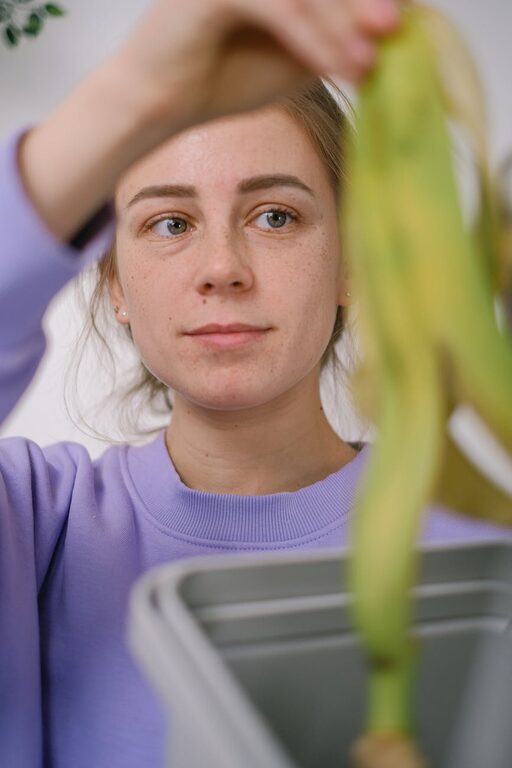
– Keep a kitchen scrap container for collecting food waste daily.
– Add a handful of garden soil or finished compost occasionally to introduce helpful microbes.
– Be patient. Composting is a natural process that takes time but rewards you with healthy soil.
Conclusion
Starting composting at home is simpler than you might think. By understanding the basics and following these beginner tips, you can reduce waste, help your garden thrive, and make a positive impact on the environment. Give it a try and enjoy the satisfaction of turning scraps into black gold for your plants!
Happy composting!
